
It’s Not About Being Brilliant: So What Really Makes Teams Thrive?
Ever wondered why some teams deliver outstanding results while fostering genuine camaraderie, yet others have purely transactional interactions or even meet with dread? I did, and so did Google.
(Updated: )

Christine Reynolds
Director of Talent Management at DoThings.
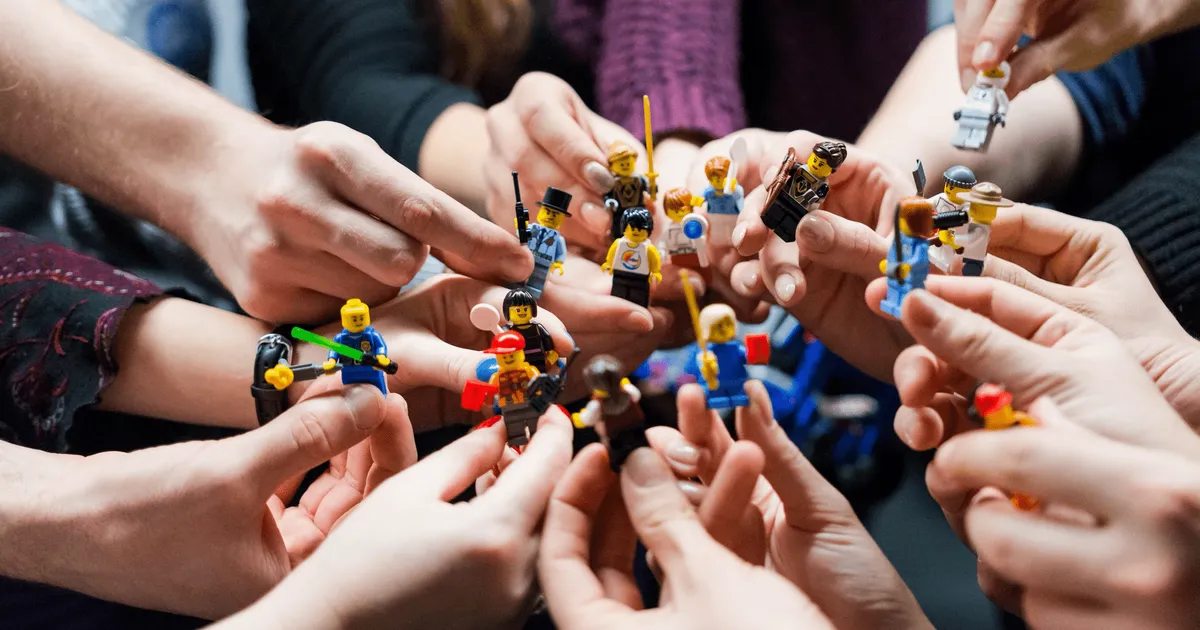
Mandated team bonding, much like Tinder dates, often results in memorable experiences, albeit sometimes cringe-worthy. While searching for an image today, I stumbled upon a photo that transported me back to a particularly awkward team bonding exercise. Our team day encompassed all the usual activities, including the infamous Helium stick exercise (standard fare), but what really stood out was the 'build yourself in Lego' task. Picture a group of high-paid adults decorating their Lego personas with snap-on plastic adornments. Despite the eye-rolling, the intended outcome was to shed light on us as individuals. However, this goal was somewhat lost as one team member justified a lightsaber accessory while another opted for a single swimming flipper.
Reflecting on this memory prompted me to ponder why some teams I've worked with have delivered outstanding results while fostering genuine camaraderie, while others have had purely transactional interactions or even met with dread. If we could decipher the code for creating highly effective teams, it could become a replicable formula for succession planning and cross-functional team development. So, why hasn't this become the norm already? Turns out I was wondering this, and so was Google.
What is the repeatable recipe for great teams?
It surprised me to learn that Teamwork and Communication rank among the 10 most in-demand skills for 2024. Let that sink in. These skills, seemingly fundamental, hold significant weight. Considering that we spend around three-quarters of our day communicating with colleagues, the ramifications of poor teamwork and communication on engagement, productivity, and innovation are profound. Teamwork is not something we can evade; it feels like its importance is only growing.
Our days are saturated with team meetings, virtual group calls, and collaborative projects. A recent Harvard Business Review article highlighted that “the amount of time spent in collaborative activities has surged by 50% or more in the past decade”. Our Gen Z workforce has also been vocal (how out of character) about their desire for cross-functional team experiences to remain engaged in their careers. Additionally, return-to-office mandates fling us into in person teamwork, eliminating the option to discreetly turn off our cameras while enduring Suzan's exhaustive tangents.
So, how can we ensure we build teams poised for successful collaboration? It was this exact question that led me to explore the fascinating research behind what makes teams thrive and stumbling upon Google's Aristotle Project.
What's the Google Aristotle Project?
Given their deep pockets, I initially attributed Google's team successes to merely securing the best A-star players and providing amenities like office slides, nap pods, and massage rooms. It intrigued me that they embarked on a mission to unravel the mysteries of effective teamwork at Google. Don't their teams naturally excel?
Named after the famous philosopher who said, "The whole is greater than the sum of its parts," Google's Aristotle Project aimed to uncover the key ingredients of high-performing teams within the company. Unsurprisingly, as a company renowned for its prowess in big data, they analysed vast amounts of information. They searched for patterns within their best teams: Were they composed of individuals with similar interests or hobbies? Did they share common motivations or socialise together? Did they outperform individually, or did gender balance play a role? The research spanned several years and was extensive.
So, what did Google discover?
In their quest to crack the code behind successful team collaboration, Google made a groundbreaking discovery that challenged long-held beliefs among the company's top executives. The notion that building the best team meant assembling the best individuals was debunked. Put simply, creating a team of top talent does not guarantee success.
In an interview with The New York Times, Abeer Dubey, a manager in Google's People Analytics Division, stated, "The ‘who’ part of the equation didn’t seem to matter." Researchers found no discernible patterns in the composition of individuals that led to successful collaboration. Instead, they identified five key characteristics essential for successful collaboration:
Psychological safety: The cornerstone of team success, where every member feels comfortable speaking up, suggesting unconventional ideas, being wrong, or making mistakes without fear of criticism or reprisal.
Dependability: The assurance that each team member is committed to delivering quality work on time.
Structure and clarity: Having clearly defined roles, goals and expectations that are challenging yet achievable.
Meaning: each member possesses a sense of purpose in the work that aligns with the team's ultimate goals.
Impact: A clear line of sight between each member's contributions and the team's overall objectives, as well as those of the organisation.
Sounds straightforward, doesn't it?
The findings of the Aristotle Project may not have felt groundbreaking, as these concepts have been around for years.You’re hard pressed to find an employee who hasn’t heard of the term ‘psychological safety’. The rest felt like a deconstructed-burrito of SMART objectives. Yet, if we're already familiar with these concepts, why don't all teams operate seamlessly like well-oiled machines?
Ultimately, Google's research revealed that it's not the composition of the team that makes the significant difference; it's the behaviours of the team leader. Leaders set the tone and establish group norms that either foster or undermine collaboration.
The recipe for team success hinges on having a leader who naturally cultivates a high-performance culture by articulating a compelling team vision, setting energising goals, and demonstrating high emotional intelligence. They build trust, encourage vulnerability, and foster meaningful relationships among team members. They establish a norm of open feedback and prioritise collective goals over individual achievements, resulting in high morale and cohesive teamwork.
So, it's not about Lego?
Successful team collaboration hinges on leaders with the right blend of behaviours to foster a culture of psychological safety while driving performance. Crafting successful teams follows a repeatable recipe: identify leadership behaviors, regularly assess and develop emerging leadership talent against these skills. Widely communicating the desired behaviours and enabling self-assessment against them offers a clear development target and a template to fortify succession planning and cross-functional team formation. Ultimately, this approach leads to teams that naturally bond, without the need to build a lego avatar.